A talk by Stuart Mardsen from November 2018
There are many ways of exploiting wildlife: harvesting, poaching, culling, etc. All of these have negative connotations though some act as a way of legitimising the removal of individuals. Humans have been hunting and harvesting various species for most of humankind. We hunted dodos and carrier pigeons for food and ended up hunting them to extinction. Currently horseshoe crabs are being harvested for their blood which is used in bacterial analysis, this is dangerous for the crabs and in females has shown it can cause them to go to spawning grounds less.
But is this really so wrong? According to the ICUN says trade in plants and wild animals is okay so long as; the trade is sustainable; the trade results in a significant contribution to human needs and local/national economics; the trade helps to motivate commitments to conservation.
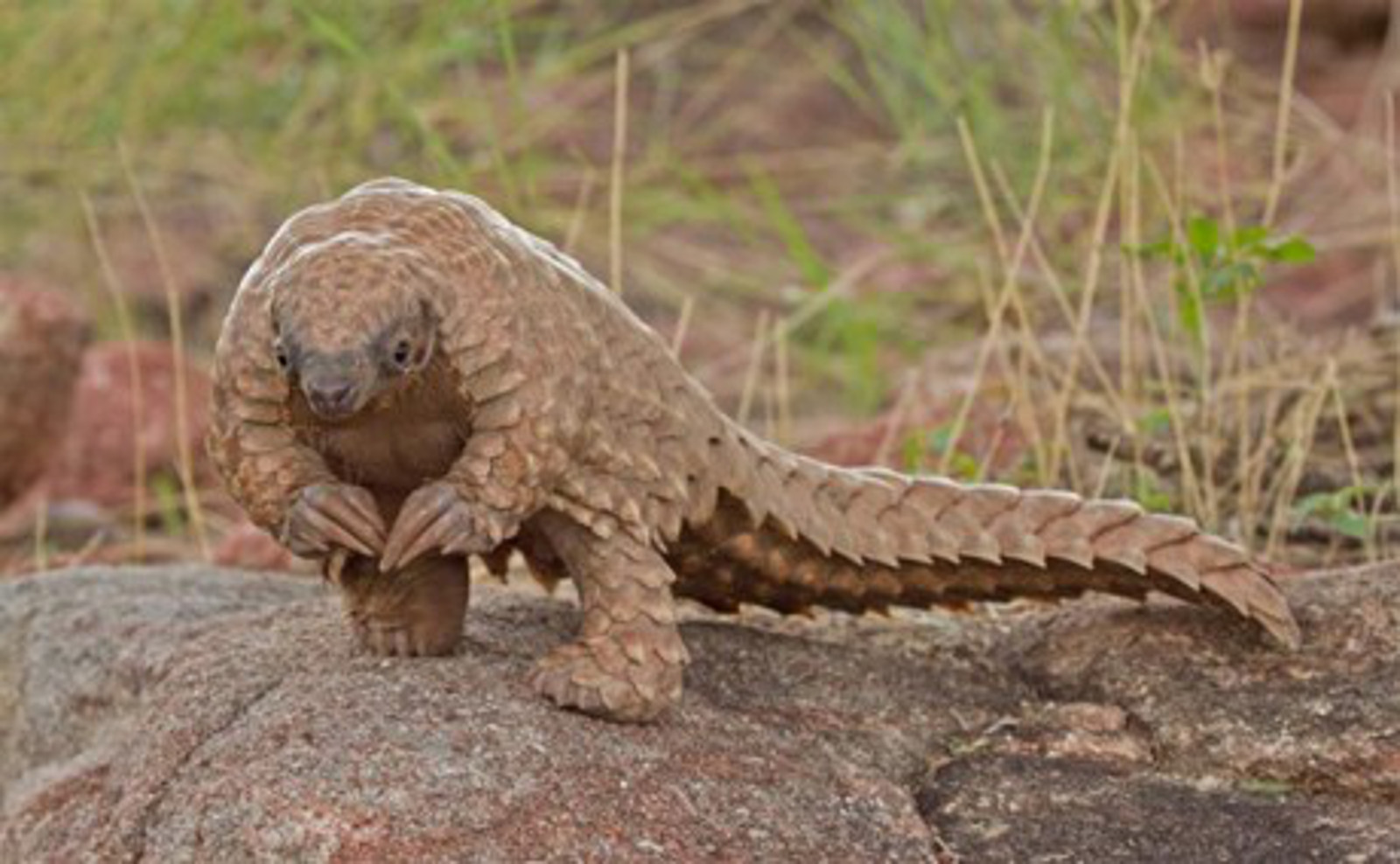
Many of the animals caught up in foreign trade are animals that we, as conservationists, know very little about. One of these is the Pangolin, of the family Manidae, whose populations and habitats are vastly unknown. Yet pangolin hunters find and kill them in batches of 100s at a time. The only information we can really take from is the market sales numbers as these will have current and past data as to how many have been removed from the populace, however, this is only so helpful as we do not know the initial starting population number.
However, this information is becoming much more difficult to get hold of as legislations get put into place. The legislations make trade illegal but rather then stop the trade it means the trade become undocumented and thus cannot be traced. This gives us no control over the volume of trade occurring.
After observing a small population of African Grey Parrots (Psittacus erithacus), models were made to determine the outcome of the population based on how many individuals were removed. It showed that when between 0-900 ±100 individuals were removed, the population remained stable and increased as expected. However, when 1200 ± 100 individuals were removed the population collapses within 20 years.
This shows that the volume of trade affects the outcome of the population. Likewise, the life stage individuals are removed at also affects the population outcome. Models were made to predict the effects of removing chicks, nesting adults, and indiscriminate trapping of individuals. When chicks were removed, the population remained stable and grew appropriately. When nests were raided, and adults were taken randomly the population collapsed quickly in both models.
Trade needs to be organised to become sustainable and in a way where it can be monitored easily.

African Grey Parrot – Psittacus erithacus

