Talk by Doctor Morwenna Spear
In the UK the timber availability is increasing but the materials can be difficult to secure for building materials due to increased demand. Timber can reduce carbon footprint via lower carbon embodiment during construction and increased carbon sequestration when the trees are growing. The use of biofuels is increasing, and timber is a renewable source. Trees can be replanted whereas coals cannot and take time to form. There is also a possible future demand for biopolymers, which is an increasing drain on the same resource.
As buildings become more energy efficient, energy and carbon association with construction materials becomes more prominent. There is also a need for other types of buildings, such as warehouses, supermarkets, offices, etc, to be observed and for the data to be recorded.
Embodied carbon is the CO2 burden associated with a process. For timber this can be traced fairly easily, by observing the forest activities (fertiliser to grow the trees and chainsaws to cut them down), transport of the trees, sawmilling activities and kilning.
This project involved CO2 comparisons between open panel timber framed construction, and traditional brick and block masonry. Floor plans, thermal conductivity and insulation properties where kept as similar as possible. There were 4 types of structure used: Timber Frame only (TF), Timber Frame and Timber Cladding (TFTC), Timber Frame and rain-cladding, and Masonry.
In a detached house, the timber frame and timber cladding sequestered the most carbon and embodied the least carbon during construction. The masonry embodied the most carbon during construction and sequestered the least carbon.
Next was terraced houses, which became more efficient with the greater number of houses added. This is due to there being less walls to build. To follow 1 and 2 floor flats were built and the data recorded. In both 1 and 2 floor flats, the timber constructions embodied less, and sequestered more, carbon. When Cross Laminated Timber (CLT) was used in construction in place of plain timber, embodied carbon remained at a similar level, but sequestered carbon was much greater, by at least 3x in both 1- and 2-floored flats.
In housing timber offers a reduction in embodied carbon and an increase in sequestration of carbon. But, CLT offers even greater reductions in embodied carbon when it replaces concrete frames in larger structures.

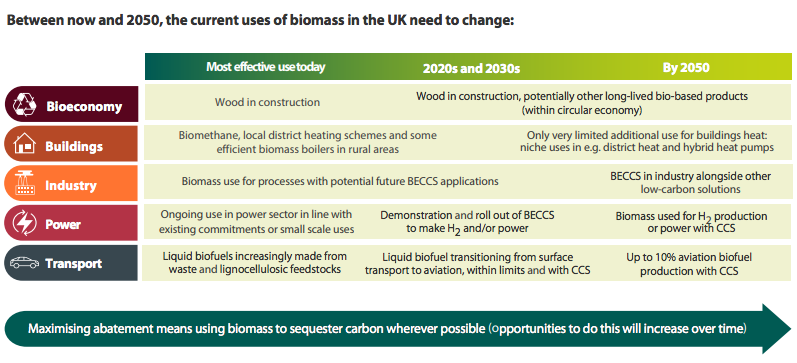
2018 Updated Hierarchy for Use of Timber
 Site Title